Grow bountiful
mushrooms at home.
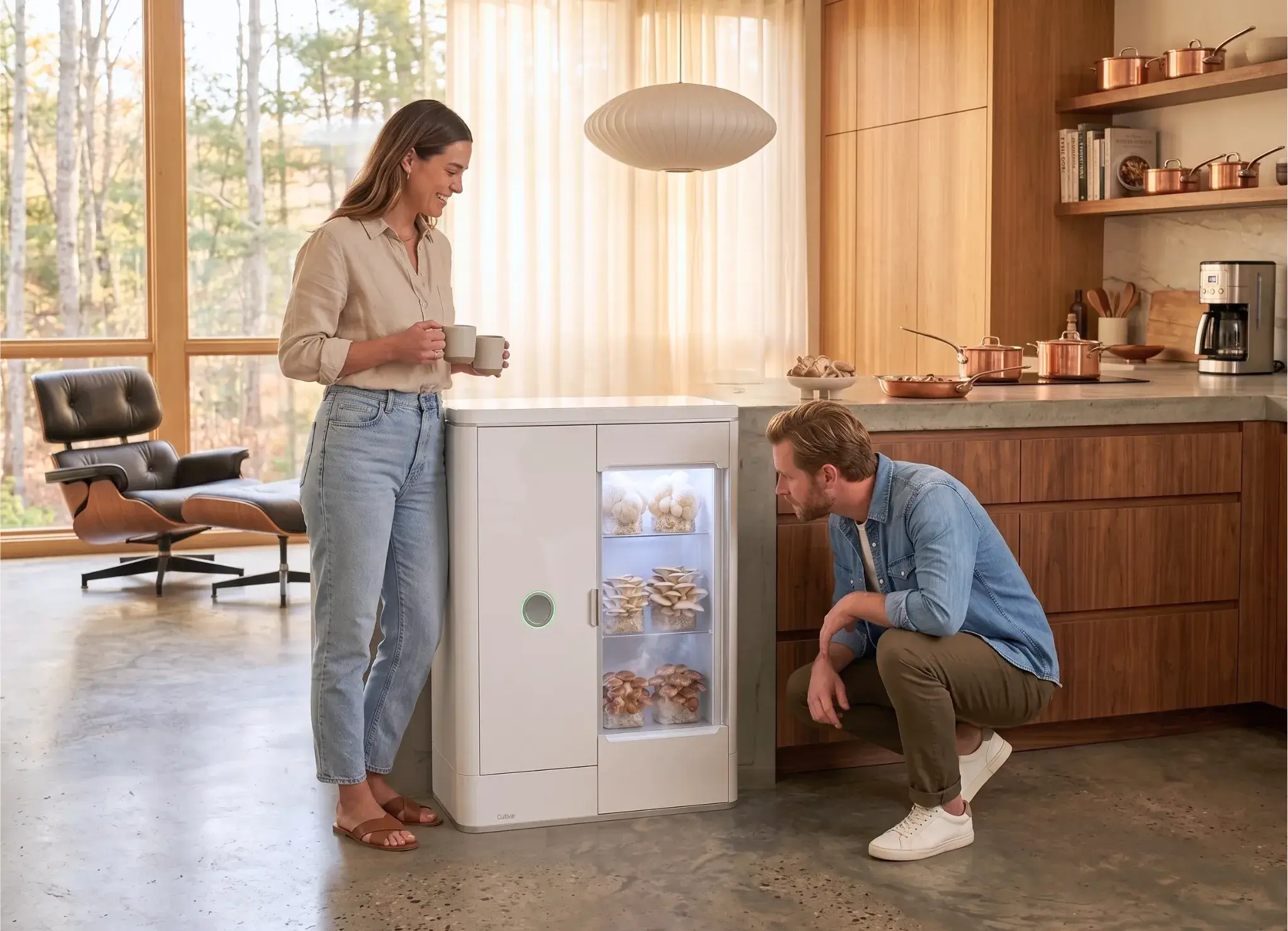
The first standalone mushroom cultivation appliance designed for meaningful food production. Intelligent enough to guide you, beautiful enough to display proudly, and honest enough to be fully unlocked and easily repairable.
& growing
15 minutes per week.
Mushrooms whenever.
Gourmet mushrooms are meant to be eaten within a day or two of harvest, at peak flavor and nutrition. Growing your own is the only way to get that quality on your schedule. Cultivar was designed from the ground up to make at-home mushroom cultivation more intuitive than you'd ever think possible.
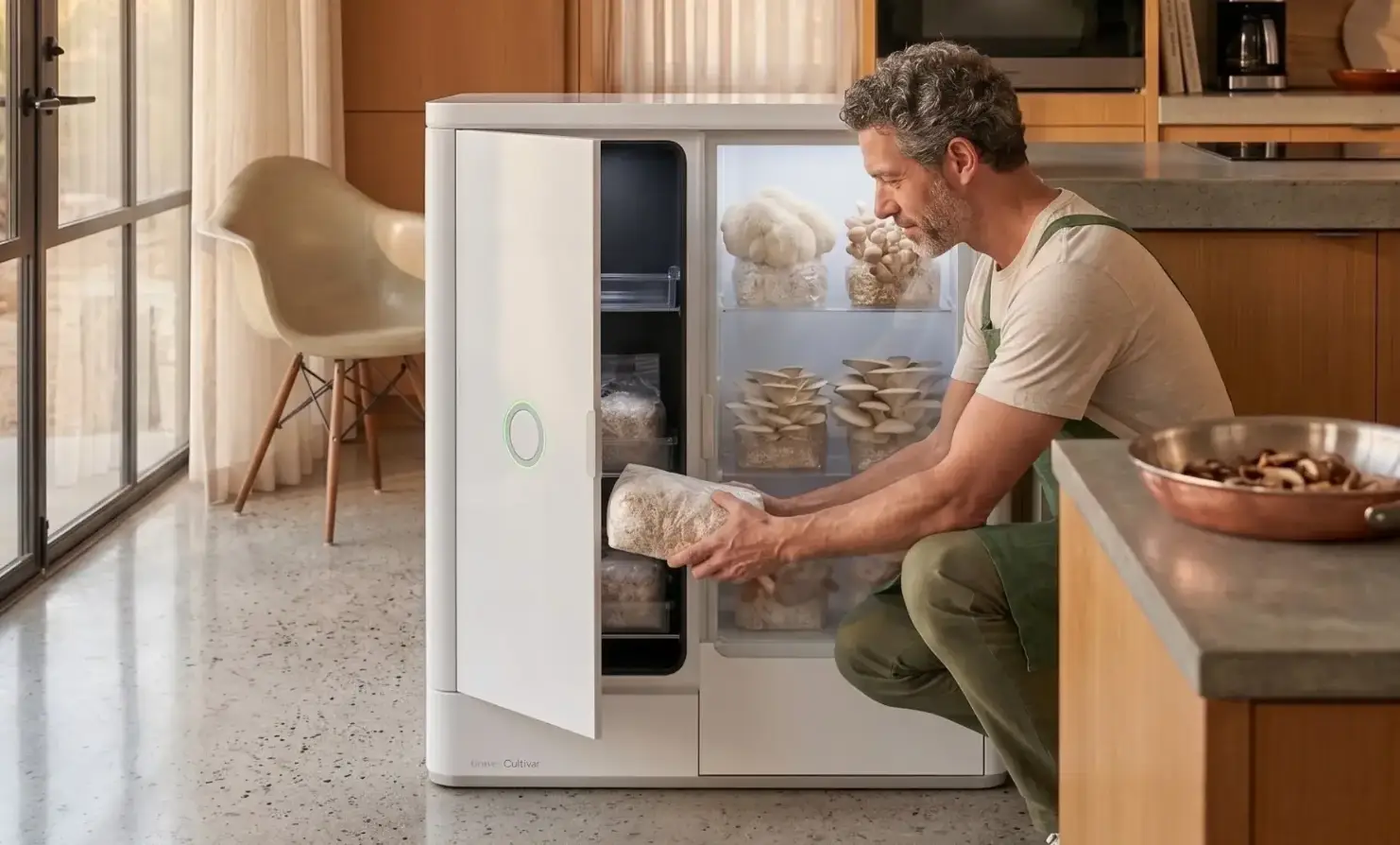
Engineered like a lab instrument.
Designed like a centerpiece.
Growing mushrooms at home has long been possible. We have done it in closets and basements for decades. What's been missing is a system that turns the vigilance of cultivation into a beautiful, quiet ritual you won't want to hide.
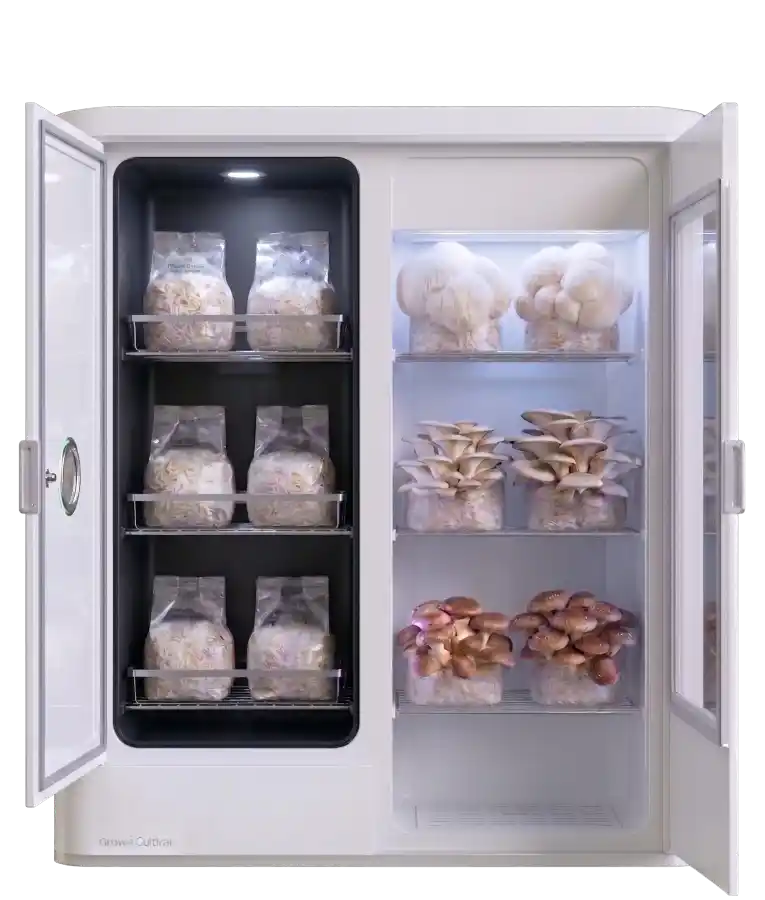
Cultivation perfected.
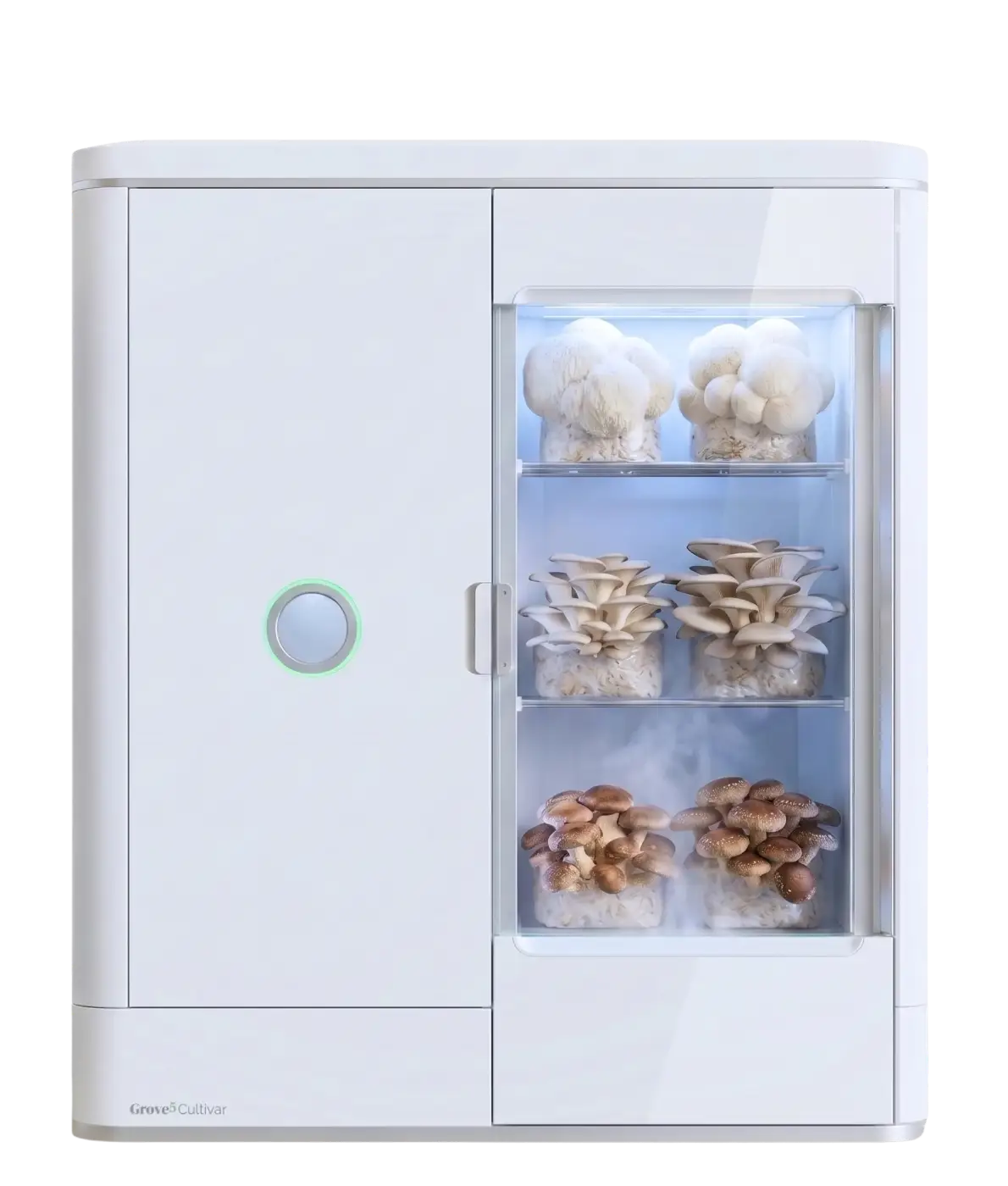
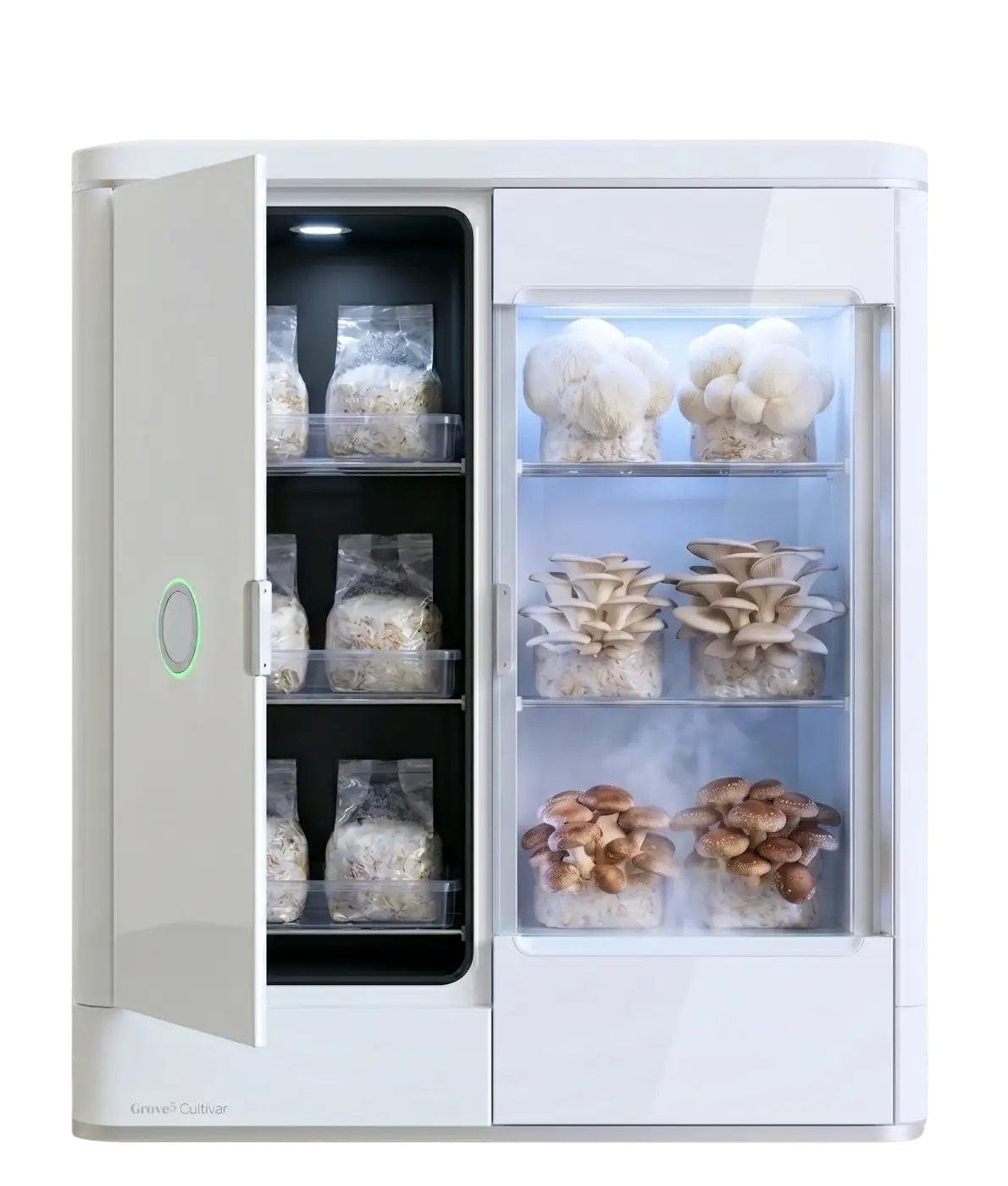
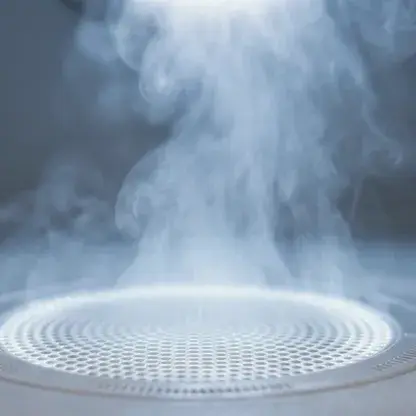
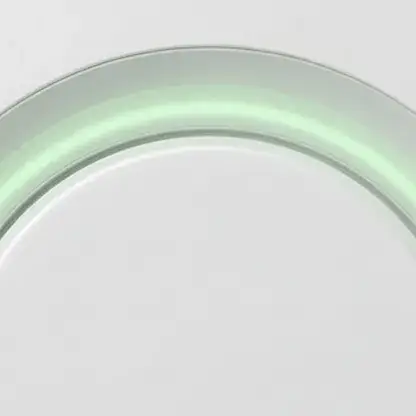
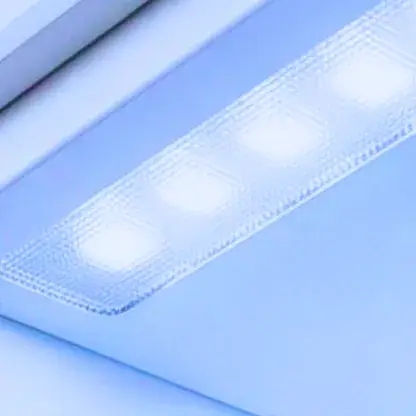
Cultivar's sensors and systems work to keep humidity, carbon dioxide, temperature, lighting, and air exchange in balance. The only thing you'll notice inside is what's growing.
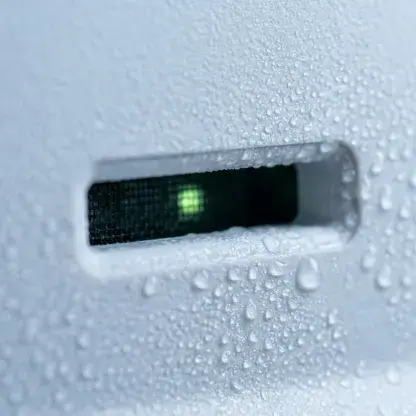
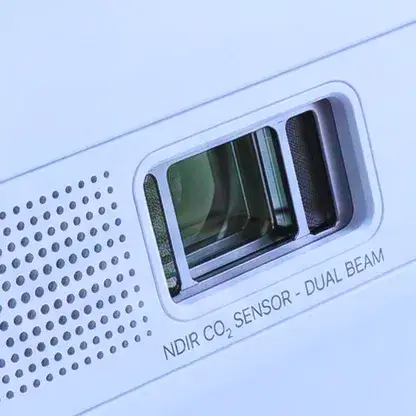
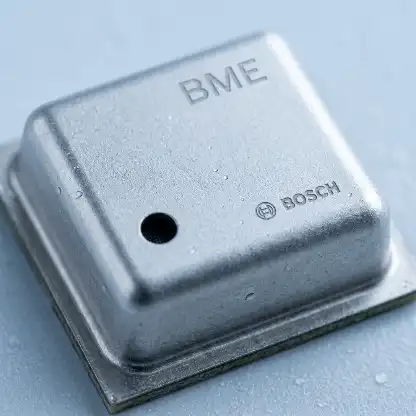
Breathe easy.
Cultivar is a tidy roommate.
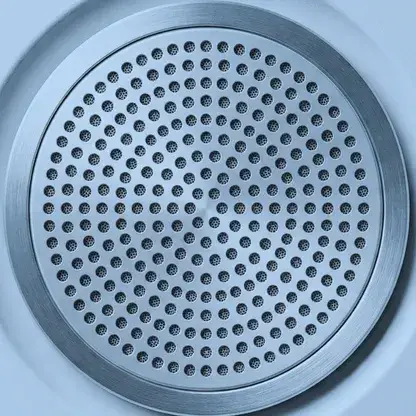
Cultivar's intake and exhaust pass through H11 HEPA filters rated to capture 95% of particles at 0.3 microns. Grow anything, anywhere while knowing your air stays clean.
Cultivar cleanup is engineered to be simple. Inner chamber surfaces wipe sterile in seconds with isopropyl alcohol and the humidifier reservoir is removable and fully dishwasher safe.
Scan the bag.
Skip the logbook.
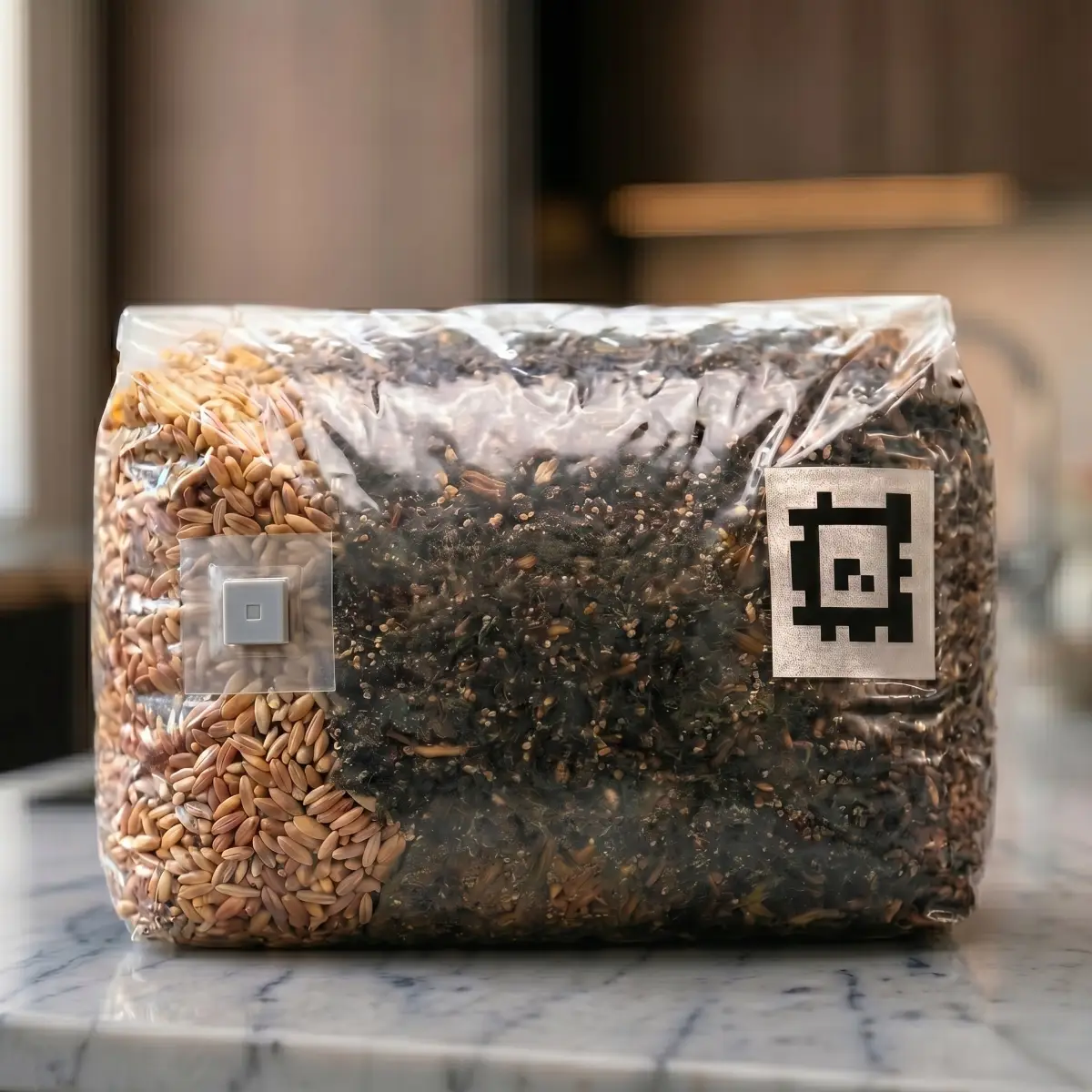
Every Cultivar grow bag has a printed BagTag code. When you load a bag, scan it with your phone and Cultivar automatically knows what's inside — species, recipe, timing, everything. From that moment on, every bag is tracked automatically. No smudged labels, no logbook, no guesswork.
The fifth kingdom.
Your way.
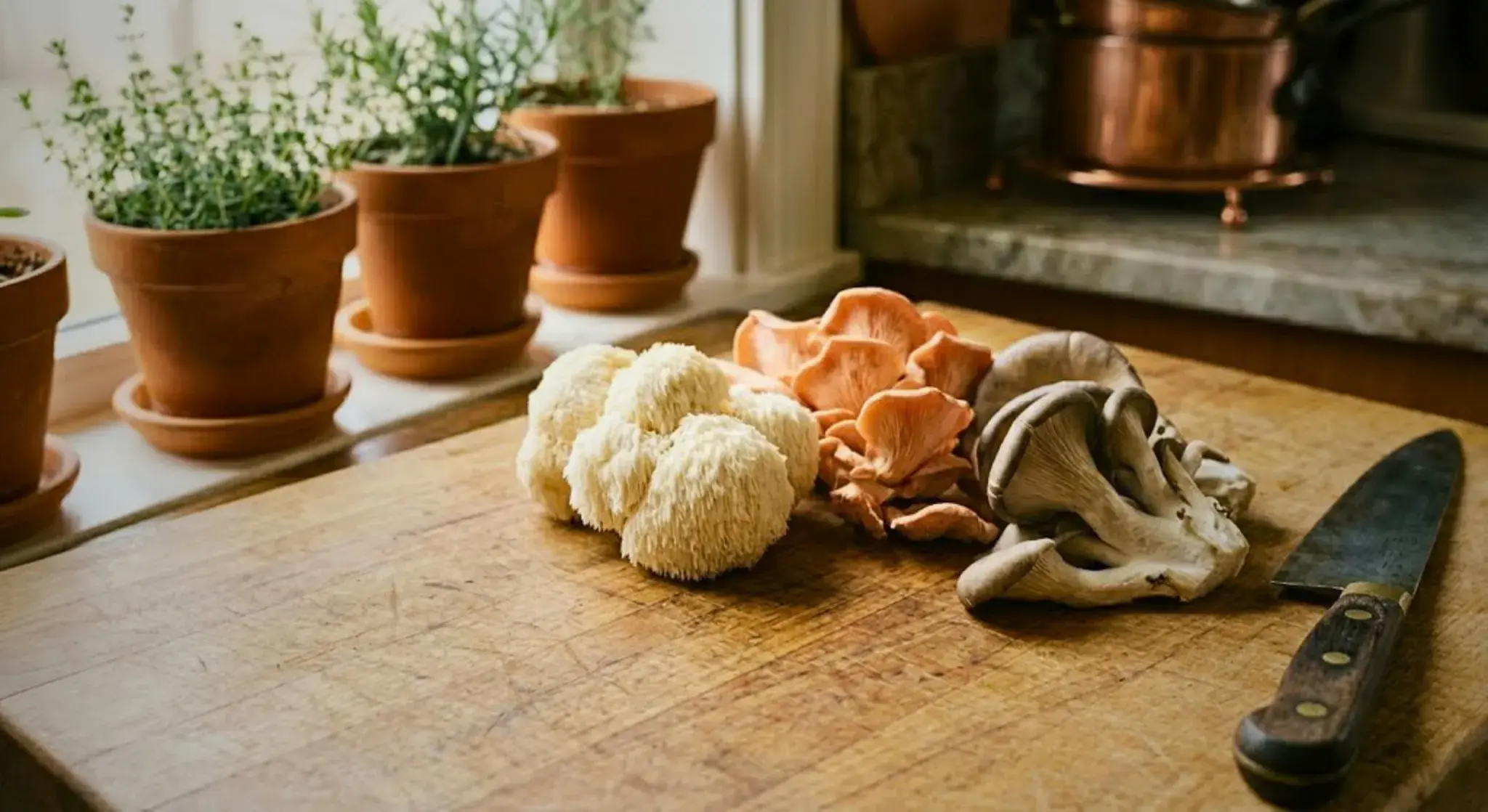
Choose how much substrate work you want to do and whether you want us to handle the genetics this month. Mix and match. Change your mind. Choose the grow that fits your life.
- 9x 3lb BagTag grow bags, pre-mixed and pre-sterilized
- Ready to inject (no prep, no sterilization)
- ~15 min/week
- Grow up to 12 lbs of mushrooms per month
- 9x empty BagTag grow bags
- Mix and sterilize your own substrate using our recipes or your own
- Requires a home pressure cooker
- Use any bags or substrates you already have
- Print your own BagTags
- BagTags must survive 95% humidity (waterproof labels)
- 3x 10ml syringes — enough to inoculate 9+ bags
- Rotating selection based on seasonality and what's thriving in our partners' labs
- Living mycelium in nutrient solution, ready to inject
- Source liquid cultures, agar plates, or grain spawn from any lab, supplier, or even the wild.
- Any species, any genetics
The first harvest belongs
to the waitlist.
Cultivars ship in waitlist order. Founding growers get first access, early-bird pricing, and free US shipping.
Reserve your spot nowEvery part,
repairable.
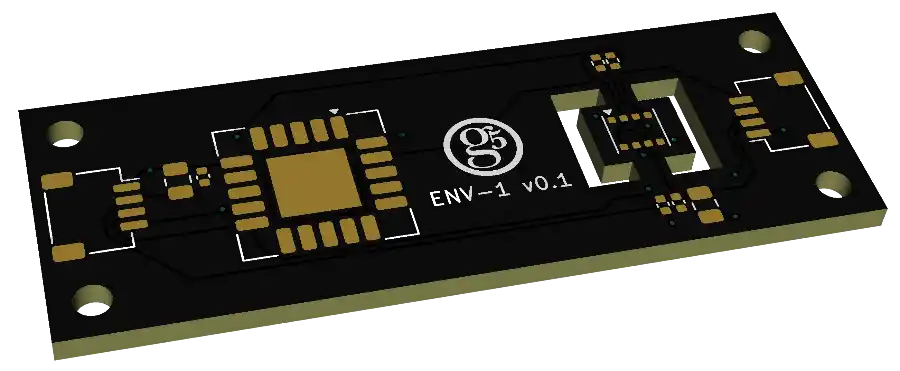
Every replaceable part is built around published specs, standard connectors, and no proprietary lock-in. A worn-out component should never mean a trip to the landfill.
Your grow works
without us.
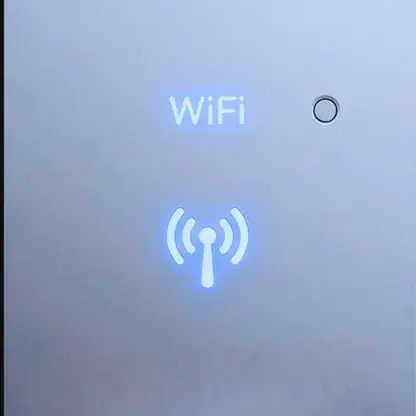
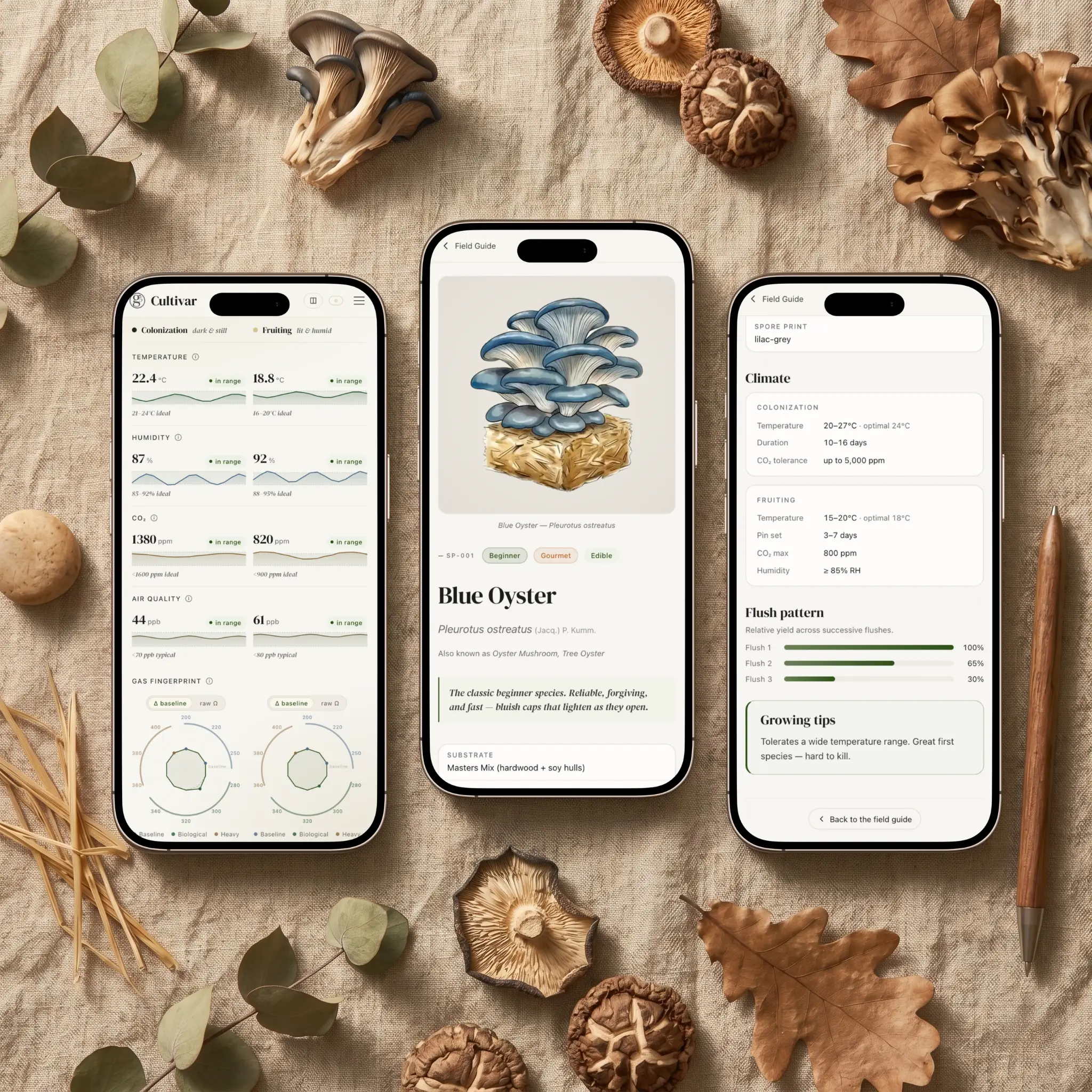
Cultivar runs on your home WiFi and works with any phone, tablet, or laptop. It doesn't require an app store, user account, internet connection, or software subscription to keep working. The only cloud you need is the humidity in the fruiting chamber.
Grow logs, settings, recipes — everything lives on Cultivar locally. Nothing leaves unless you choose to share it. And the full software stack is MIT-licensed open source. If Grove5 disappears tomorrow, Cultivar keeps growing.
A serious protein source.
Mushrooms are one of the most resource-efficient foods that we know how to grow. They are also good for you.
Join the first
harvest.
The first batch of Cultivars will ship to a select group of founding growers. Join the waitlist and we'll let you know as soon as units are ready.
No deposit · Unsubscribe anytime
We will be in touch when the first units are almost ready. You're among the first on the waitlist, and we're excited you're here.
Waitlist signups signal demand, allowing us to commit engineering resources and prioritize community features.
From prototype to production.
Hardware moves at the speed of physics, supply chains, and team size. Grove5 is a small, self-funded operation. Dates will shift, but we'll keep you posted along the way.
-
Design for prototypingSchematics, sensor selection, PCB layout, mechanical CAD, firmware bring-up.
-
Prototype V0.1 — integrationCustom PCBs designed and assembled in-house. End-to-end grows finetune vision and biology models.
-
3Prototype V0.2 — optimizationSensor stack trimmed, PCB consolidated, mechanical refined, and control loops tuned.
-
4Design for productionFactory repeatable design. DFM revisions, suppliers locked, tolerances tightened, service manual drafted.
-
5Tooling & first articlesInjection molds, sheet-metal dies, and assembly fixtures built; first parts off real tooling inspected. The slow, expensive phase.
-
6Engineering validationSmall production run verifies the design survives the factory. Pre-compliance testing runs parallel.
-
7Pilot batch & certificationsA larger pilot run validates manufacturing at scale, alongside full safety, wireless, and EMC certification.
-
8Founding growers shipThe first production run ships to waitlist members.
Hardware schedules slip. We'll be honest about it when it happens and the waitlist will hear first.